
What the Call Usually Sounds Like
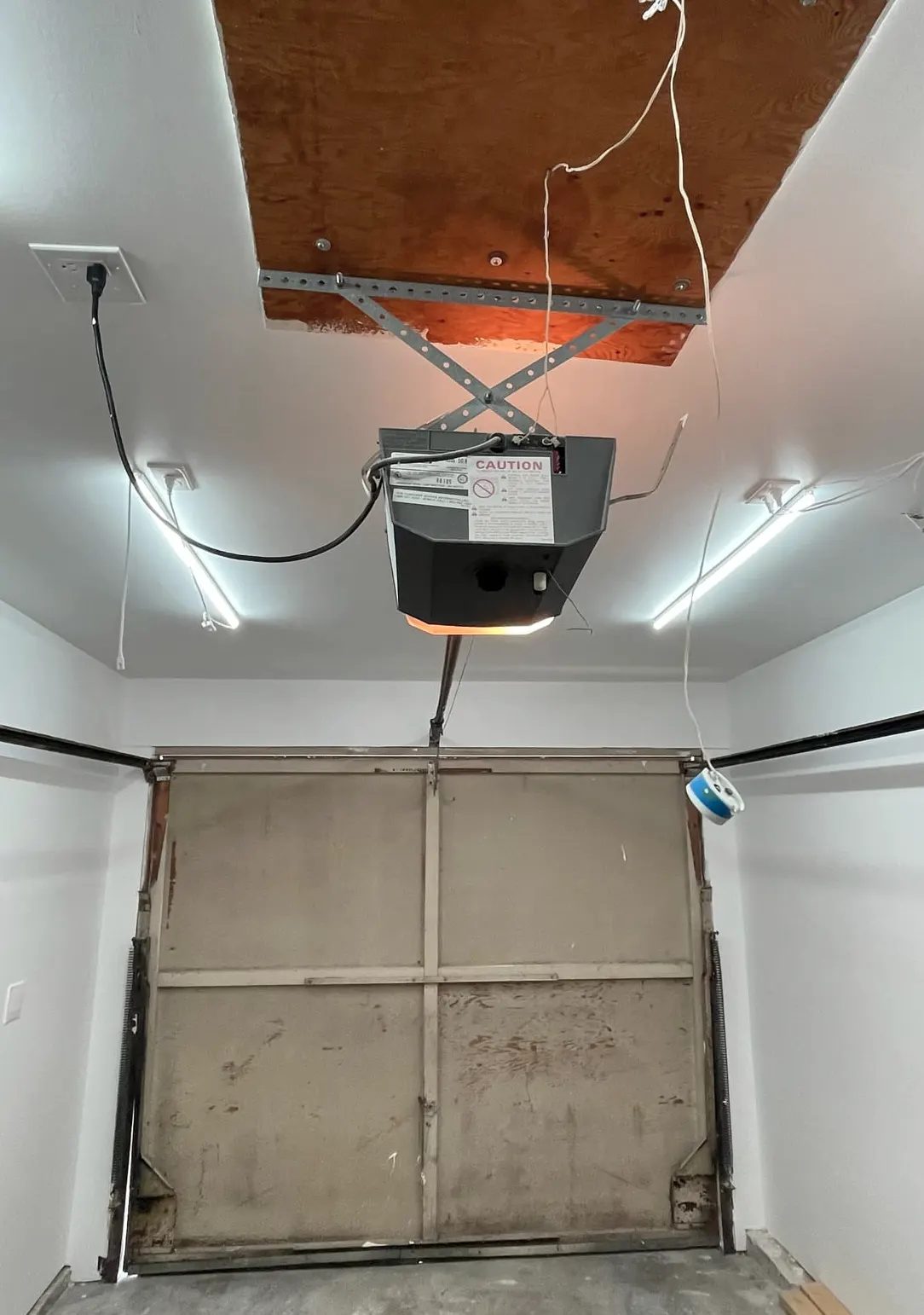
A homeowner calls in frustrated: the remote clicks and clicks, nothing happens, and the wall button either does nothing or works only sometimes. Half the time they've already swapped the batteries twice. When we pull into the driveway off FL-436 or out toward Winter Springs, the first thing we do isn't touch the remote — it's look at the opener unit itself, because that tells us more than the clicker ever will.
This is a common call in this part of Florida. Between the humidity that works into electrical contacts, the power surges that come with afternoon storms, and the salt air closer to the coast corroding small metal parts, openers here take a beating that units in drier climates don't.
Step 1: Check the Power First
Before touching the remote, a technician checks whether the opener is actually getting power. A flickering overhead light during the last storm, a tripped GFCI outlet, or a breaker that clicked off during a surge will leave the opener completely dead — and homeowners often assume it's the remote because the wall button doesn't respond either. The fix here is simple: reset the breaker or GFCI and see if the opener's motor unit lights up. If it trips again immediately, that's a wiring issue, not a garage door issue.
Step 2: Test the Remote Itself
If there's power, next is the remote. Batteries corrode faster than people expect in humid garages, especially ones that sit on a shelf near an unsealed side door. A tech will swap the battery, check the contacts for white or greenish buildup, and test the remote's range standing right next to the opener. If it still doesn't trigger anything from a foot away, the remote has failed or lost its programmed code and needs to be re-paired or replaced.
Step 3: Check the Wall Button and Its Wiring
If the remote fails but the wall button works, or neither works, the wiring gets checked next. Wall buttons mounted near a garage door that catches wind-driven rain during storms can develop corrosion inside the switch or at the wire nuts behind it. A loose connection here will make the opener respond inconsistently — working one day, ignoring the button the next. The fix is usually re-stripping and reconnecting the wires or replacing the button entirely if moisture has gotten inside the housing.
Step 4: Inspect the Safety Sensors
Most modern openers will refuse to respond to any command — remote or wall button — if the safety sensors near the floor are misaligned, dirty, or blocked. A blinking light on the motor unit is usually the giveaway here. Afternoon downpours can splash dirt and pollen onto the sensor lenses, and humidity can fog them slightly. The fix is cleaning the lenses and realigning the sensors so their indicator lights go solid instead of blinking.
Step 5: Check the Receiver and Logic Board
If power, remote, wall button, and sensors all check out, the problem is likely inside the opener itself — the receiver that picks up the remote's signal or the logic board that processes commands. Power surges from storm season are a common cause of this kind of failure, even weeks after the storm has passed. This is the point where repair often means replacing the circuit board or, if the unit is older, replacing the opener.
When to Call Casselberry Garage Door Repair
If you've swapped batteries and checked the breaker and the opener still ignores every command, it's time to call. We handle Garage Door Opener Installation for units that are beyond repair, and our Garage Door Tune-Up & Maintenance service catches corrosion and wiring issues before they leave you stuck outside your own garage. We offer same day garage door repair across Seminole County, including Casselberry, Altamonte Springs, Winter Park, and Oviedo.
Give Casselberry Garage Door Repair a call today and we'll have your opener responding to every click again — same day, done right.